Inspiration and ideas
Project Humanity is inspired by various sources. A few of these include Gone Home, Final Fantasy VII Remake, Bloodborne, Blade Runner and Cyberpunk 2077. When I say inspired, I don’t necessarily mean that I’m taking everything from these games and implementing it here. Rather, I am taking one or two key aspects that stand out to me.
Project Humanity was named after my own personal dislike of generative AI. With AI art, writing, music and more on the rise, it leads to a lot of projects obviously lacking the “human” aspect that brings these art forms together.
Gantt chart
Below is my Gannt chart, which I have created using Microsoft Excel. As of 19/03/26, this is the most up-to-date version. It will be updated accordingly.
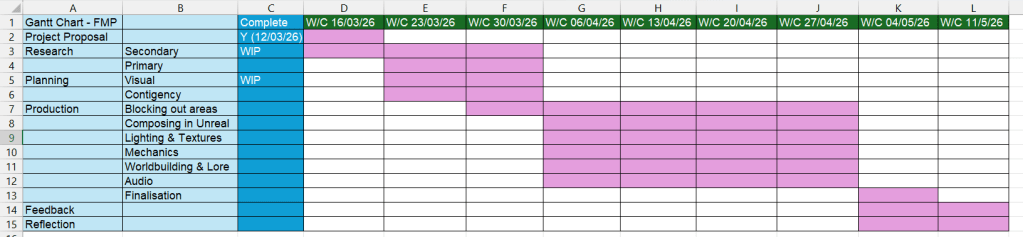
I will be using this as a rough guide on how to spend my time on my project.
Obviously, it is practically impossible that I will strictly stick to this plan. As it happens, life will get in the way, whether I like it or not. As long as I give it my all and roughly stick to the plan, I think it should all be great.
As one can see from the above graph, my rough goal is to get a good chunk of, if not all of my research and planning done by the end of March. I will more or less have the entire month of April to focus on the production of my game snippet. The first two or so weeks of May will be used for finalisation/finishing touches, feedback and evaluation/reflection.
Contingency plan
As mentioned earlier, this project will not be completely smooth sailing. Things are going to go wrong. Even as of starting this project, I feel overwhelmed with all that I have to do. Whenever I feel like I have hit a brick wall, I will take a step back and see if I can re-evaluate the situation or try a different approach. This is going to be particularly relevant on the Unreal Engine side of things, especially with programming (Blueprints).
Additionally, the project’s features will be split into two categories; core and optional. This essentially differentiates between features that I think the game needs VS what I want to implement. Some of these optional features include a soundtrack, VFX and more ways to interact with the world, such as hidden easter eggs and chat logs. This mostly comes down to time dependencies. Additionally, I do not have a whole lot of experience with VFX or composing soundtracks, hence why they are not a huge priority for me, despite the fact I am interested to learn.
Detailed planning/Game design document
This section will be dedicated to going more in depth on what each of these areas will entail.
The project proposal (https://dylanbrant.uk/2026/03/18/unit-8-project-proposal/) is obviously a brief outline of my project, among other important aspects including a few secondary research sources, audience demographic, primary research, required skillsets, locations, software, features and how my evaluation will be carried out.
Based on my project proposal, I will carry out my research (primary and secondary) on different topics and pieces of media that I feel are relevant to my project. These topics will include, but are not necessarily limited to;
- Dystopian literature (1984, Brave New World)
- Dystopian/Cyberpunk themes (Blade Runner, Cyberpunk 2077)
- Brutalist architecture
- Dystopian worldbuilding and storytelling
- “Walking simulator” genre of games
- Questionnaires/surveys regarding my project
Among these major topics, there may be smaller aspects I need to research.
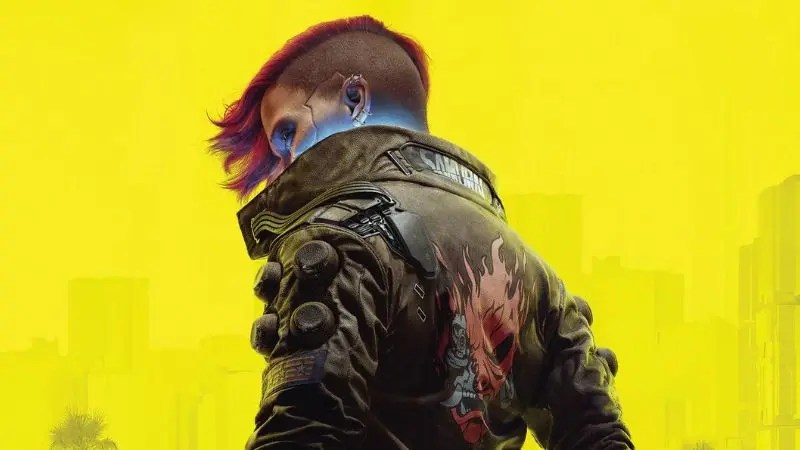
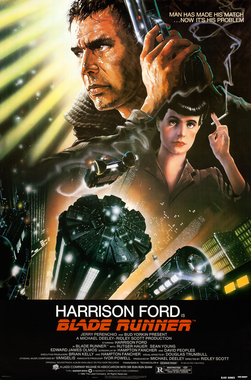
Additionally, this project requires several visual forms of information regarding the development. This can include;
- Mood boards
- Colour palettes
- Screenshots and images
- Rough sketches
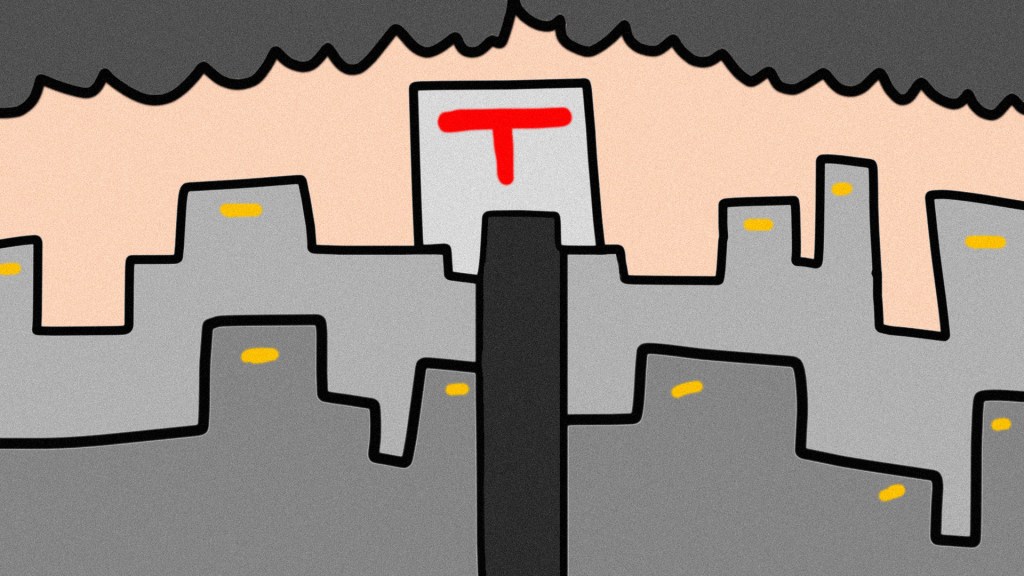
Above is a rough sketch which represents the feeling I want to convey to the player. It is obviously a sketch of some dystopian city, as represented by the thick grey clouds, the overabundance of corporate-looking buildings and a distinct lack of anything exciting going on. It feels very mundane.
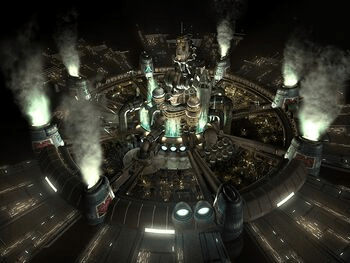
Again – referring back to Midgar, there are a few similarities between it and my aforementioned sketch; the central major structure, the buildings and general vibe. Even though my sketch uses a lighter colour palette, I think the point is still communicated effectively.
UI
Project Humanity will have minimal UI elements. I do want to include a UI tooltip to help potential players get to grips with the controls. This tooltip will be shown at the beginning of the game and will show up whenever the player pauses.
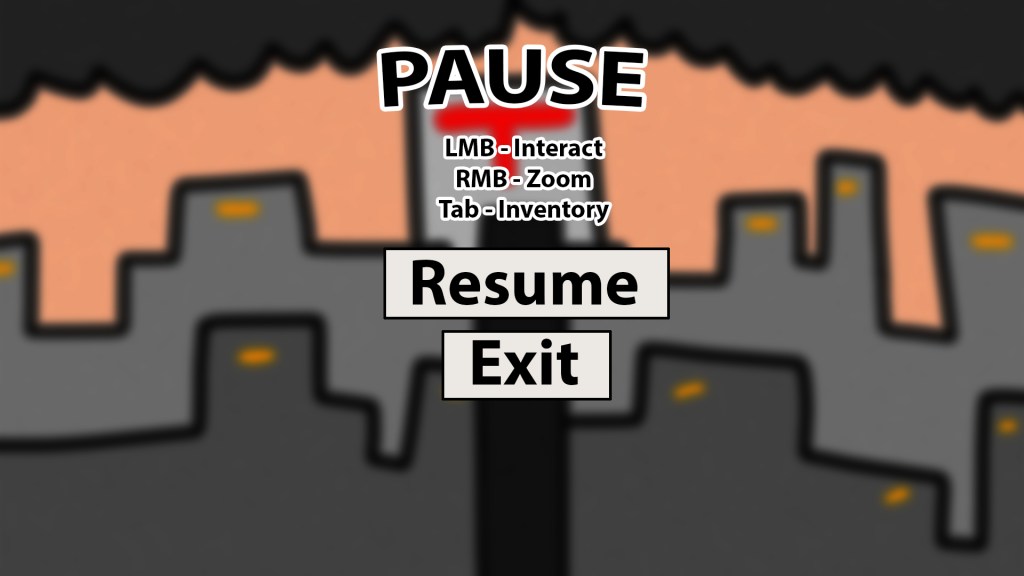
Above is a rough sketch of how the pause menu may look and function.
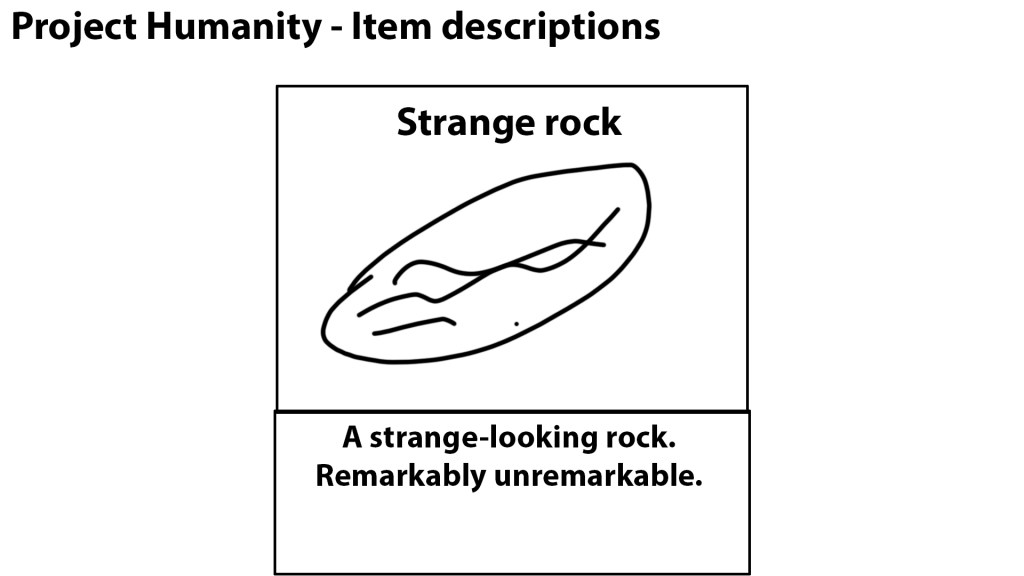
Below is a rough sketch of how I want my item descriptions to look. This menu will be accessed by finding an interactable item and interacting with it. If the player wishes to see this description after this, they can simply open up their inventory.
Colour palette
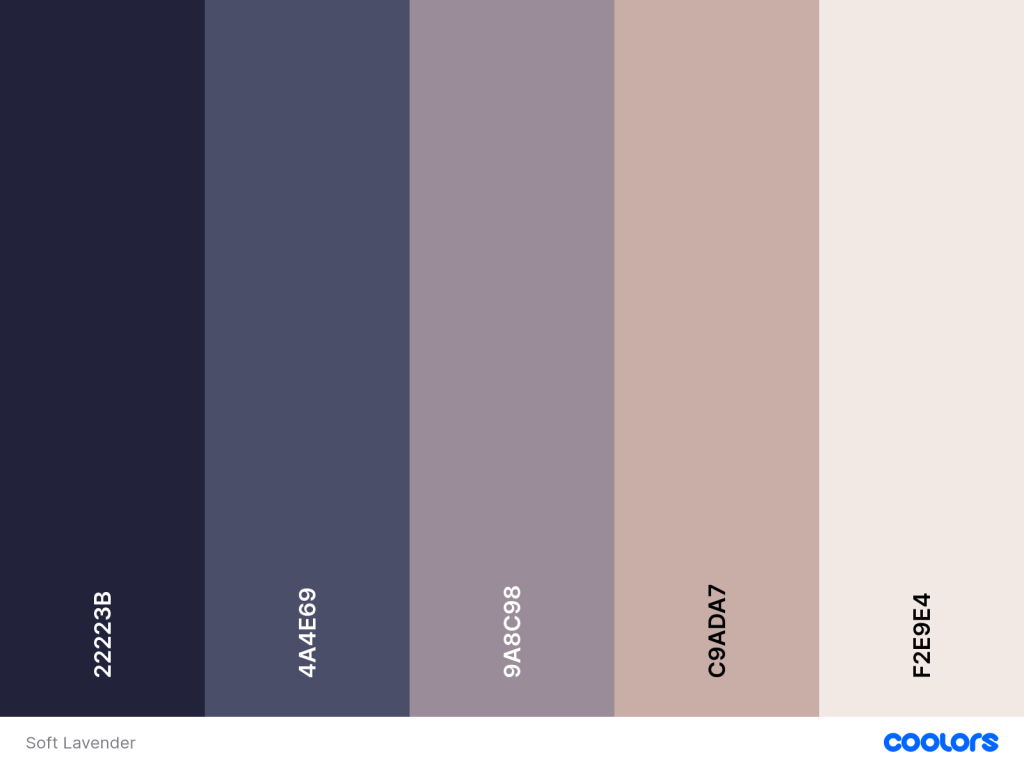
The above colour palette is from coolors.co. It is titled ‘Soft Lavender’ and works well for what I need. Additionally, the ‘Minimast Elegance’ palette works well:
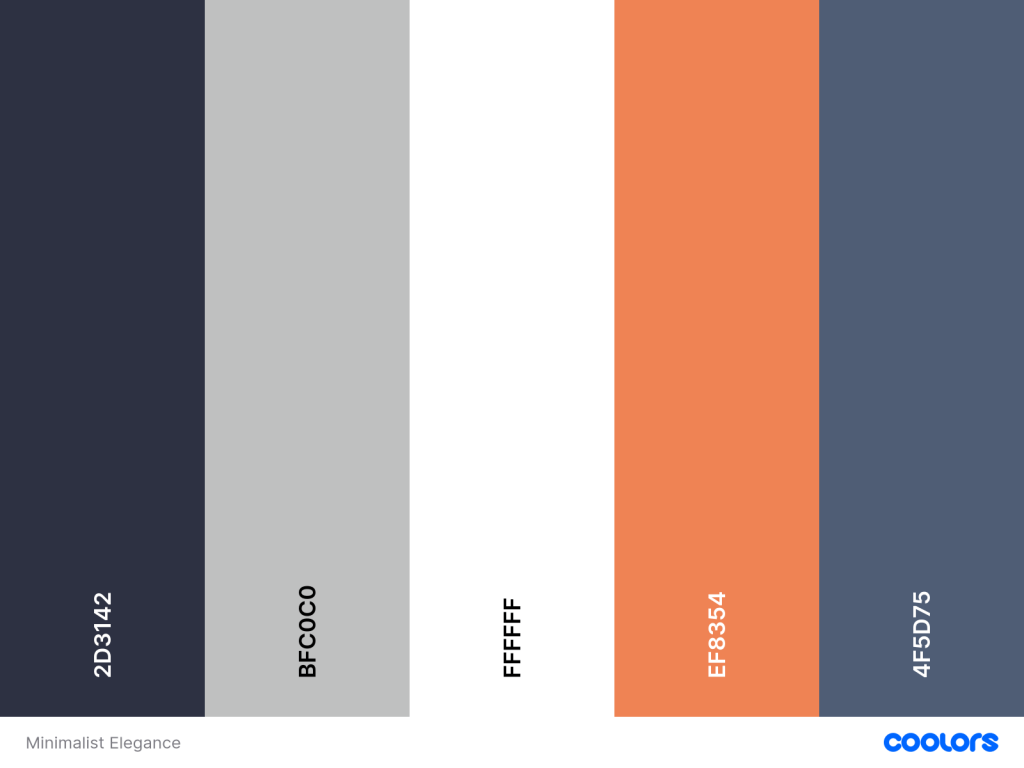
I will use one of, or a mix of these colour palettes to achieve my intended look. I’m going to do this by effectively utilising lighting and materials in Unreal and Blender.
Mind map & floor plan
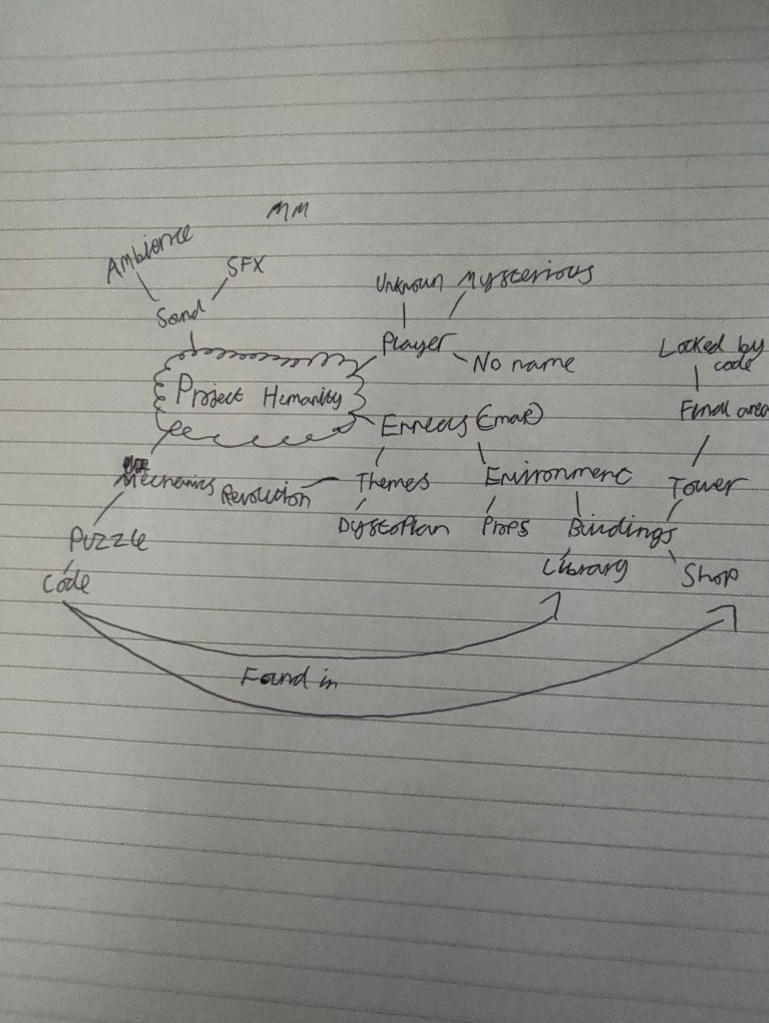
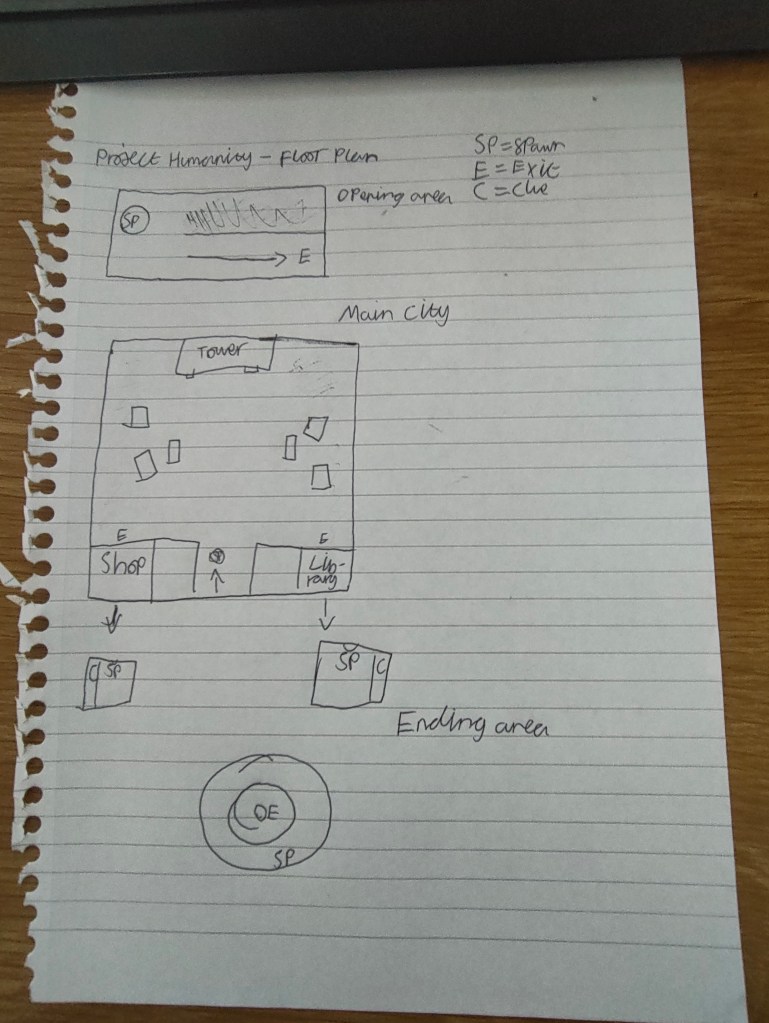
Story & lore
As mentioned, Project Humanity is set in a dystopian city, but I do not want to get bogged down writing pages upon pages of lore.
Humanity and, society on the whole, were at the brink of collapse. Artificial Intelligence was on the rise, leading to more and more economical disaster. The fictional city of Erneas (Thanks again to https://www.fantasynamegenerators.com/) was tragically at the center of this whole mess.
Because of these circumstances, poverty was on the rise. Homelessness eventually became too much for the city officials to bear. This led to the deportation of anyone who was deemed “too poor” to live in Erneas. What was once a bustling capital became a desolate wasteland. A shell of its former self.
Nowadays, the city is pretty much completely ruined. Very few of its remaining inhabitants ever leave their homes due to the amount of pollution. Rusty chains litter the city and its streets, as they were used as mechanisms to restrain unruly protesters.
The player is an unknown entity who awakes in Erneas city. Their goal is to figure out how the city got to its current state. This will eventually lead to a discovery which allows the player to end the game, or they can continue exploring, if they wish.
Despite Project Humanity not having any characters in the game world, I want to leave notes and other memorabilia scattered around the world.
3D
My chosen software for 3D is Blender, Substance Painter and Unreal Engine 5. Blender will be used for sculpting the basic shapes, Substance Painter will be used for texturing and Unreal will be used for composing the final scene.
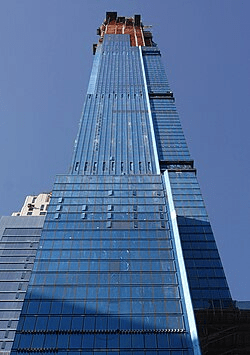
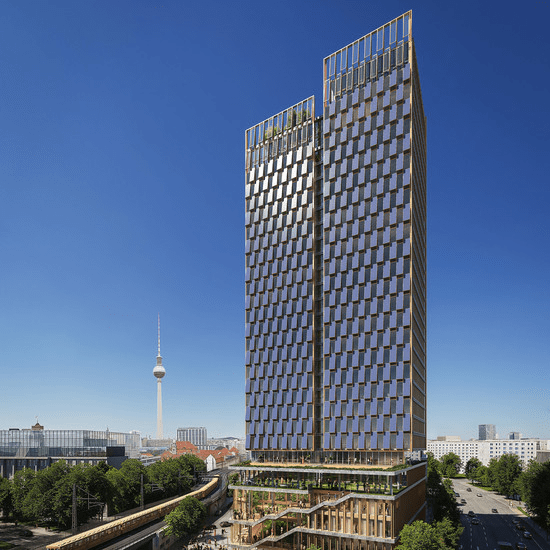
I want to use reference images for designing the world, such as the ones seen below.
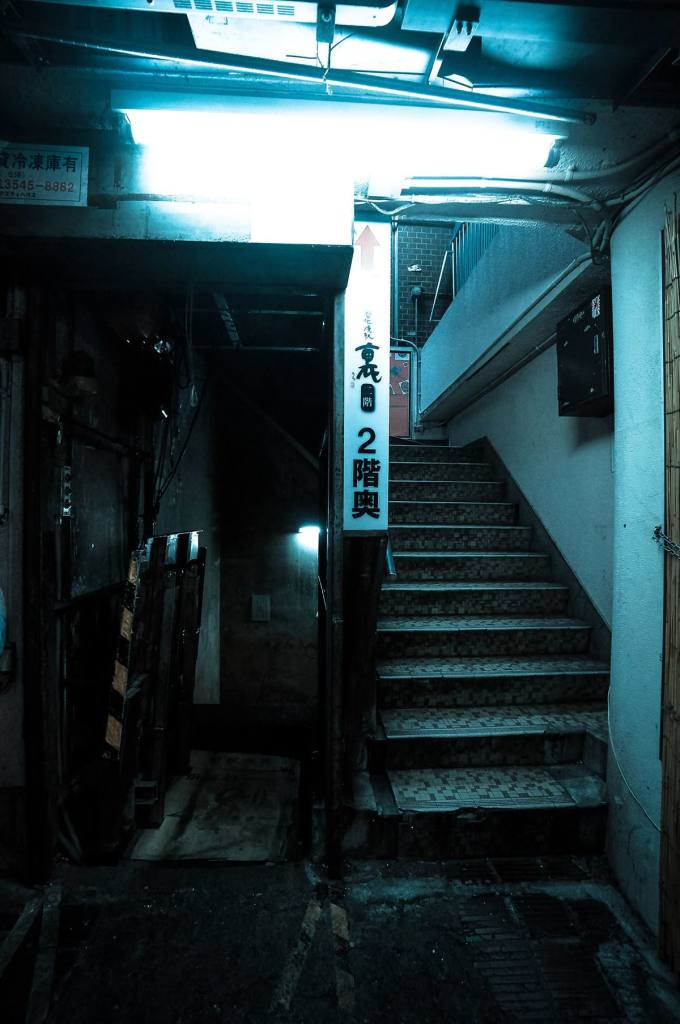
Artist statement & Intention
Project Humanity’s goal is to provide the player with a semi-interactive map to walk around and provide them with run-down imagery and environments. But more importantly, it is meant to showcase the dangers of when power gets to the head of someone in the position to make a difference.
The point of the player’s role in the world is that they are supposed to feel powerless. That they are a bystander who can do nothing but watch while the world they know and love falls to pieces.
Game planning
I want the Erneas central tower to be a foreboding, perpetual presence. As if the player can visit almost anywhere on the map and it will be staring down at them. Not entirely unlike the moon from The Legend of Zelda: Majora’s Mask.

Additionally, this links into my idea of having the game end when the player meets the prerequisites to enter the final area. For those who have not played Majora’s Mask, the game revolves around the moon, which is going to crash into the land of Termina in three days. The player is given plenty of tools to prevent this, including the ability to reset the three-day loop, but we do not need to focus on that as it is not relevant to my project. (Spoiler alert) Once the player has been to each area of Termina and summoned the four giants, the player will be able to enter the final area, which is inside the moon itself.
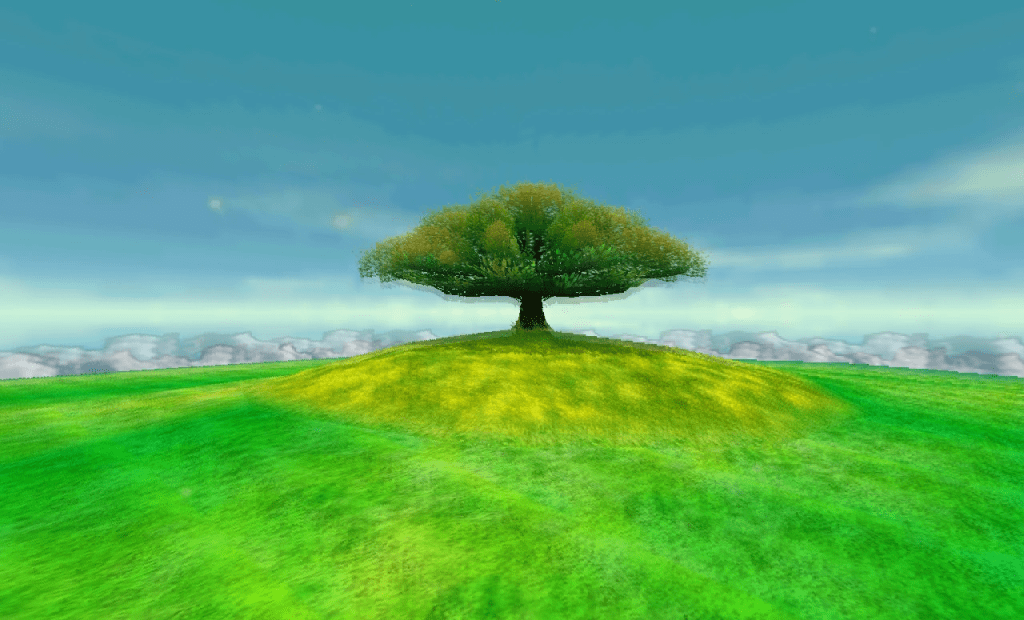
I did mention that I wanted my game to contain little greenery. But what if the final area, which will be unlocked after finding a prerequisite I haven’t yet decided on, (Potentially a key or a password) was full of greenery and utopian scenery, like the above image from inside the moon in Majora’s Mask? It could leave a lot to the player’s imagination. For example;
- Why is the inside of the central tower a utopian paradise?
- Is this supposed to be a hallucination or a dream?
- Who is behind this?
If I’m feeling particularly inspired, I could base the area on nostalgic/dreamlike vibes. It’s difficult to explain what I mean using words, so I will give a few examples using imagery:
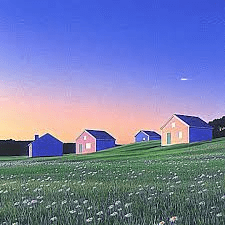
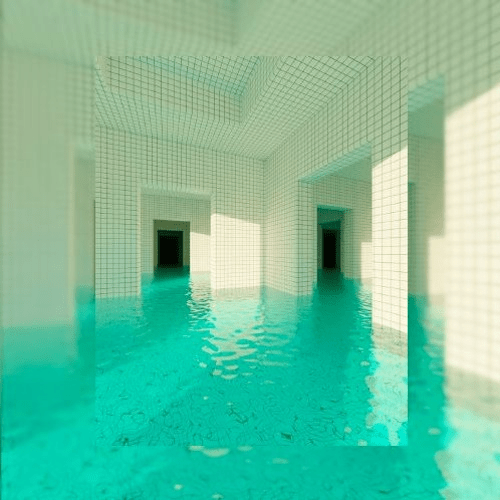
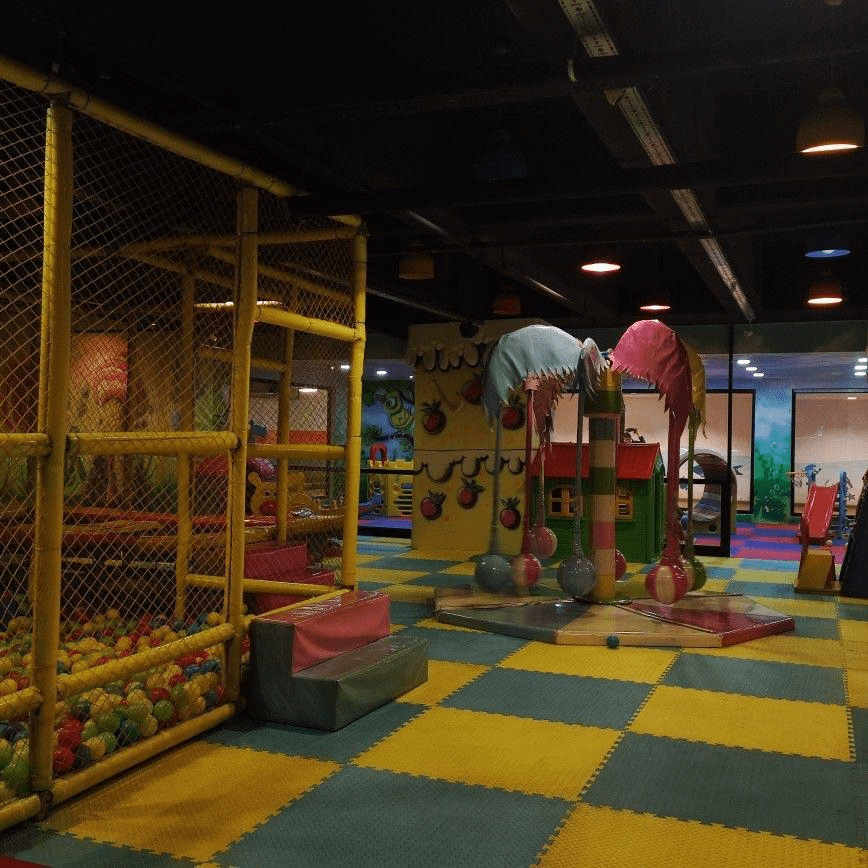
These images give off a certain feeling which, again, is hard to put into words. I would best describe it as a feeling of warm comfort and nostalgia, with a twist of uncertainty. They are officially known as liminal spaces.
If I base the final area on a liminal space, as seen above, that could “play” with the players feelings. Especially since the target audience is aged 16 or up, meaning that they probably have memories of spaces like these.
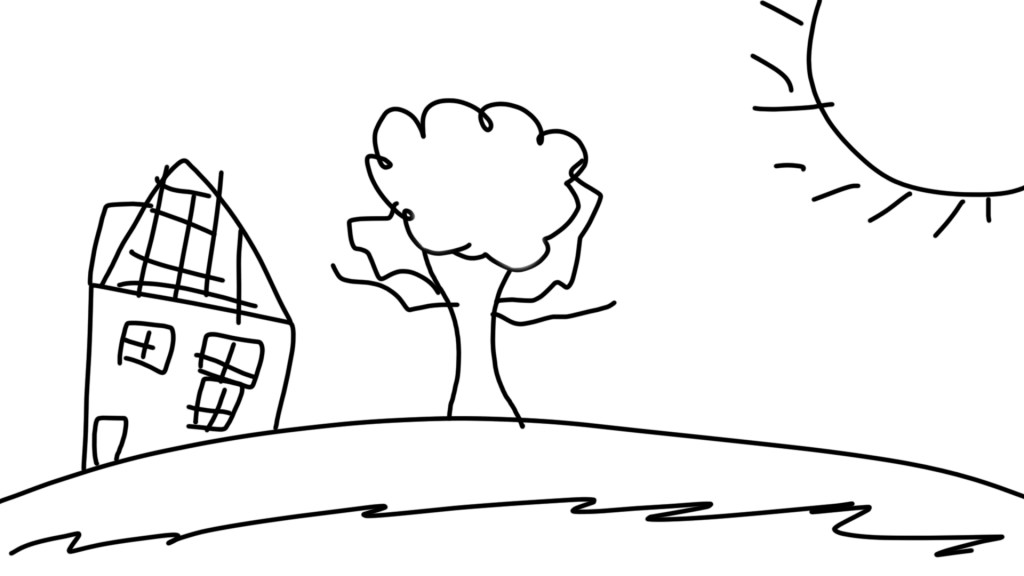
When it comes to the main city, I have already mentioned that I want it to be based on dystopian/brutalist architecture.
For the city itself, I want to use modular design so I do not have to model every building individually. I have found a good-looking playlist which might be able to help with this: Modular Design in Blender – YouTube
The playlist contains 39 videos, each ranging from roughly 20 to 30 minutes, aside from the intro. I likely won’t need some of the later stuff, as I only really need some of the basics.
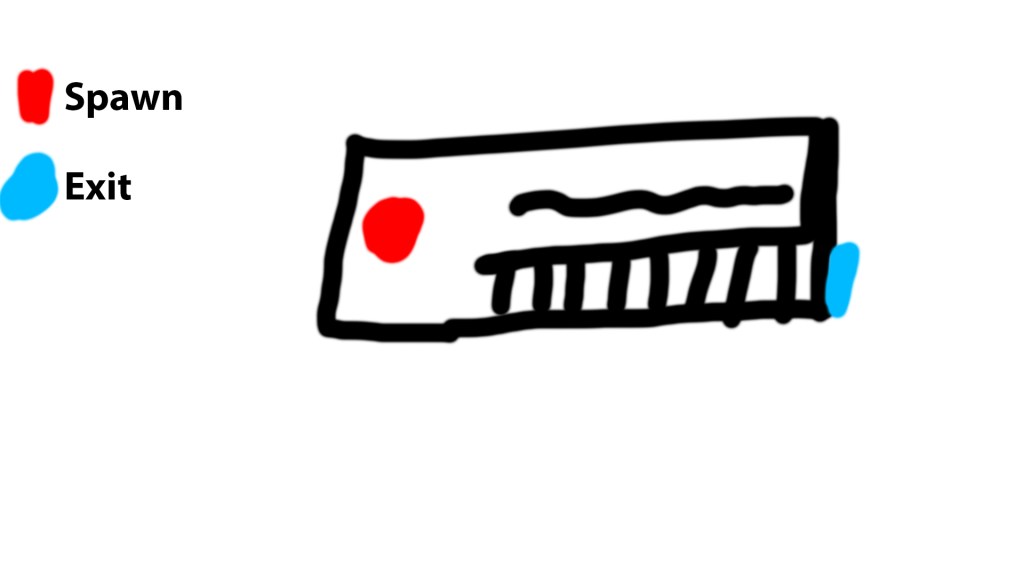
Above is a basic sketch of how I want the beginning area to look and function. The player will start out in a subway-like/underground area. I want this area to give off daunting vibes and be easy to navigate. I want to put a piece of cardboard on the floor to indicate that homeless people sometimes gather here. Additionally, I want to put some other decorations around the area, such as chains and bullet holes to give off a scary vibe. Last but not least, I want to have some “dark” ambience in the background. This should all come together to create a daunting vibe.
Storyboarding & Influence
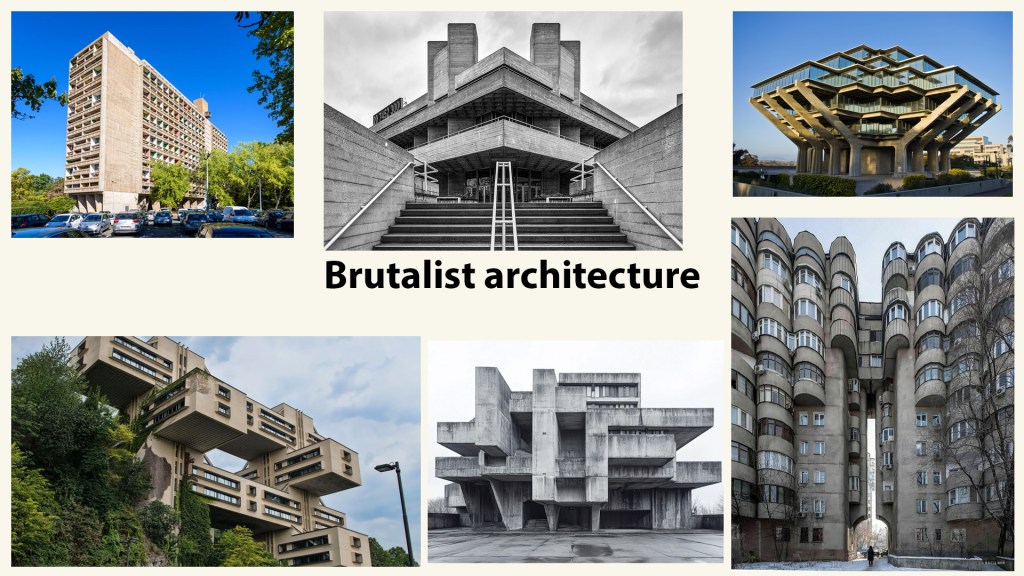
In this section, I want to talk about some influences for the city of Erneas. Below is a mood board of some brutalist architecture that I have found on Google. As mentioned in my research, a common theme in brutalism is its aesthetic, or lack thereof. Brutalism very much values functionality above appearance. Concrete is a very common material used here.
Below is a colour palette for the Royal National Theatre in London. It has been described in various ways. “A nuclear power station” by King Charles, “a lovely work” by poet Sir John Betjeman and “an aesthetic of broken forms” by architectural writer Mark Girouard. When it was first opened in 1976, a large amount of the general public disliked the architectural style. Today, it is renowned as one of Britain’s finest expressions of Brutalism.
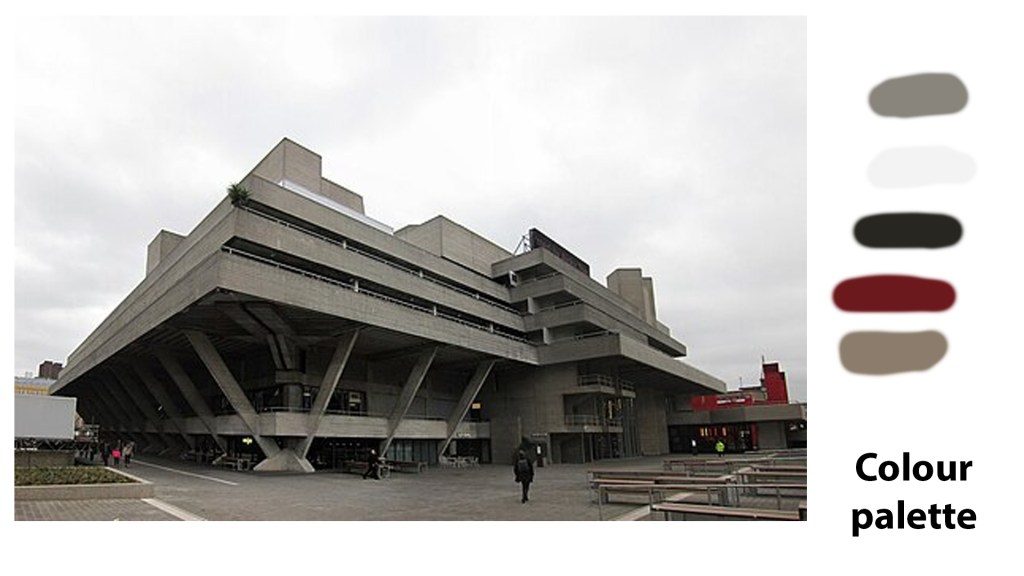
A few key points to keep in mind about brutalist architecture for when I am designing the map;
- Concrete is very commonly used
- Use of basic-looking design
- Structural integrity and functionality over appearance and aesthetic
- Distinct lack of colour
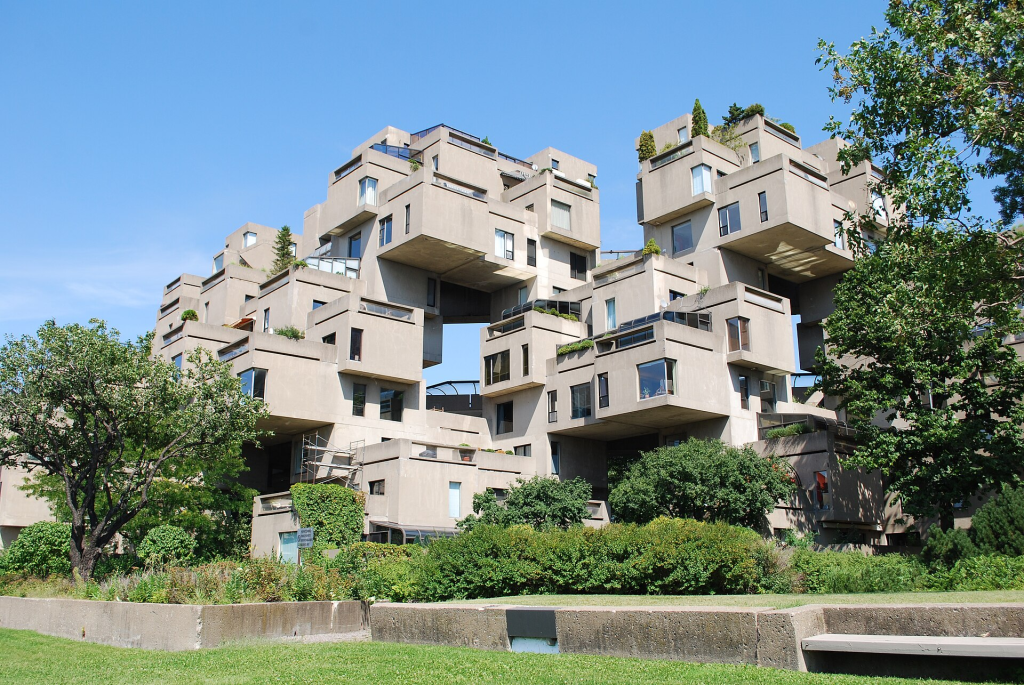
Habitat 67 in Montreal, Canada, is considered an architectural landmark.
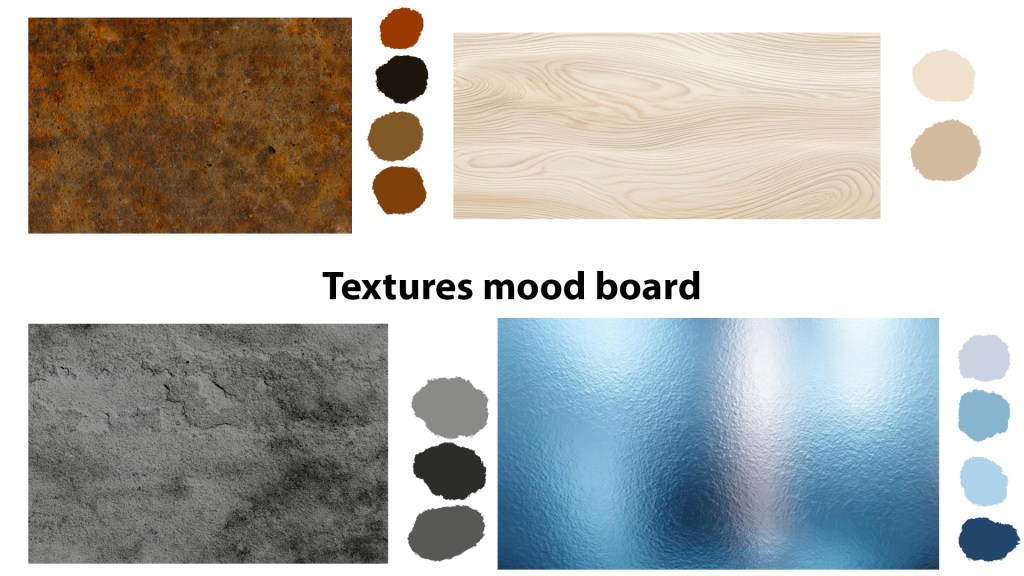
Below is a mood board of some textures I plan to use for my project.
There are a few different buildings I would like to include in the map of Erneas;
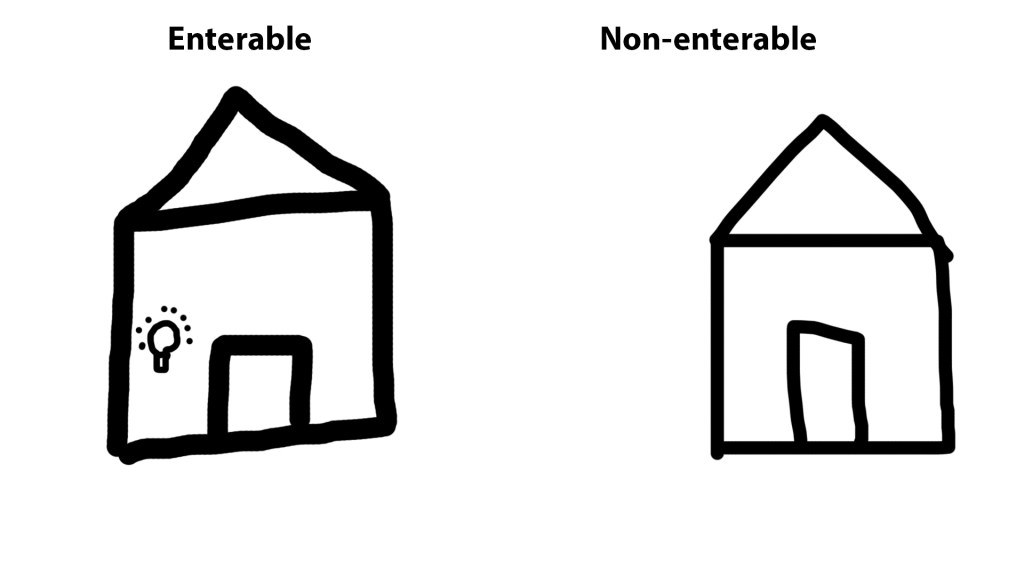
- Houses (Non-enterable)
- Library (Enterable)
- The library will function as a spot for the player to pick up on optional pieces of lore and history about Erneas.
- Shop (May or may not be enterable)
- In my head, the shop would obviously function as a place to buy items and trinkets. However, this would require me to make the scope of the project bigger. For example, I would need to come up with a currency, give the player an engaging way to obtain said currency and make the purchasable items worthwhile. Dependent on time, I may model an interior for the shop.
- Erneas Tower (Enterable)
- As discussed in a previous section of the planning, Erneas Tower will be enterable once the player has met a certain prerequisite.
- Town hall (Non-enterable)
- I’m debating on if this is even needed. I might just include it with the library.
- War bunkers (Enterable)
- I want to give the player some bunkers to explore where the soldiers of years gone have fought.
To signal which buildings are enterable and which aren’t, I am going to use subtle lighting. Enterable buildings will have a light outside them – not unlike the aforementioned trick in Bloodborne.
Inspirations
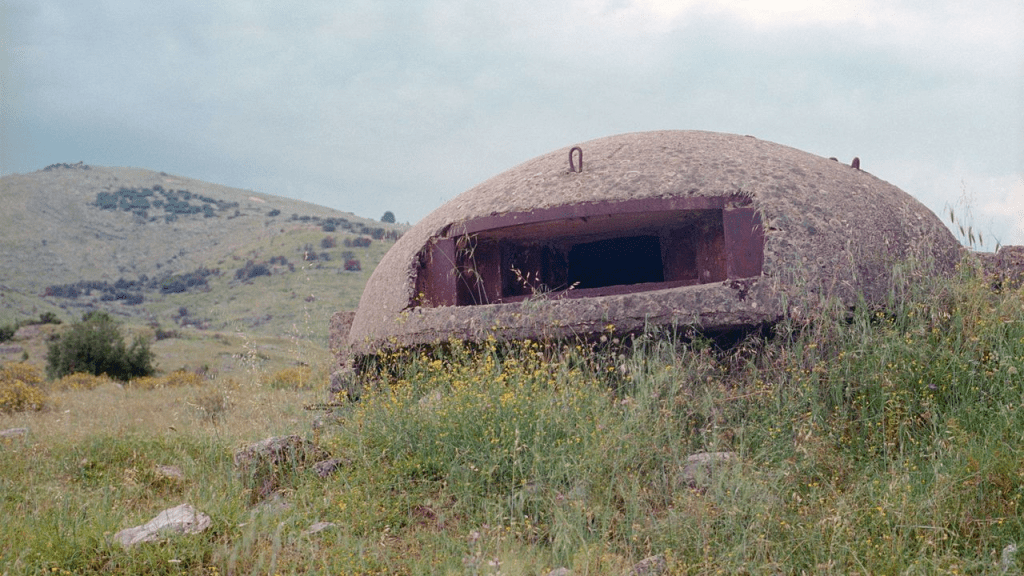
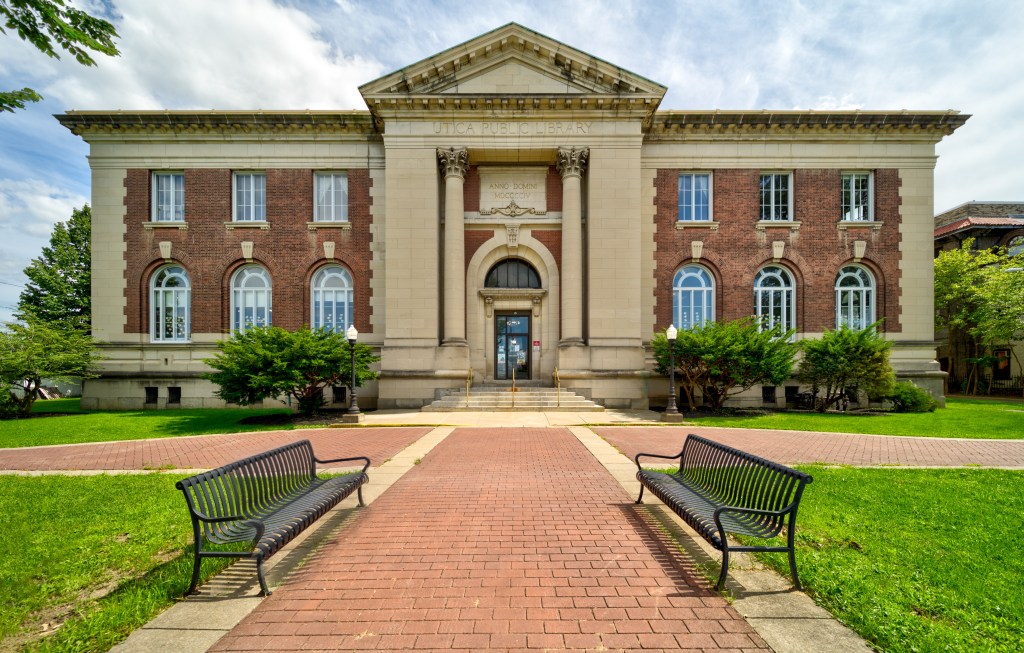
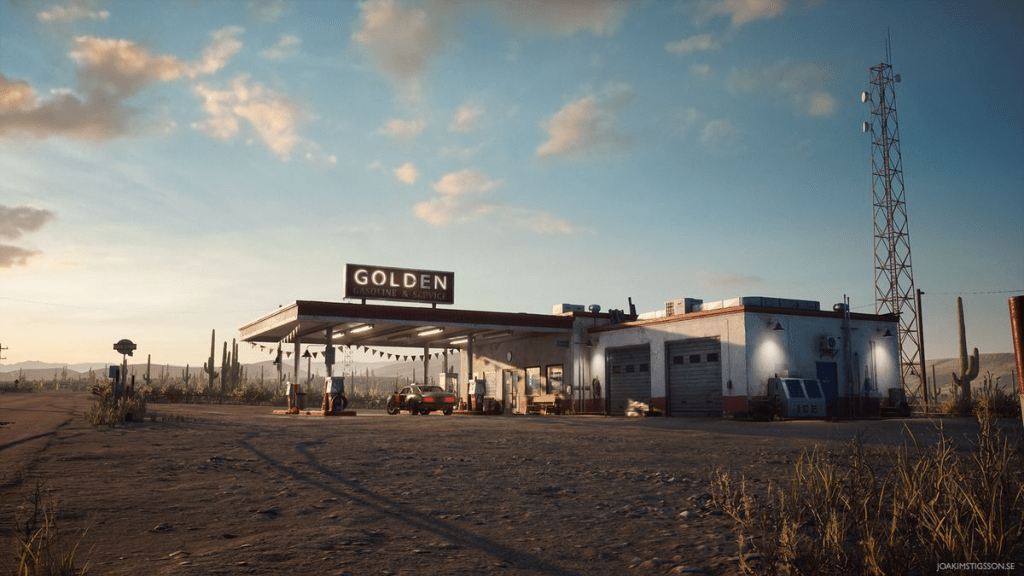
Above are a few inspirational pieces to base their respective facilities on. One key aspect I want to deliberately not include is grass, plants or greenery of any type. This is to reinforce the dystopian setting and how far gone this city is. At most, I will have a broken plant pot on the floor.
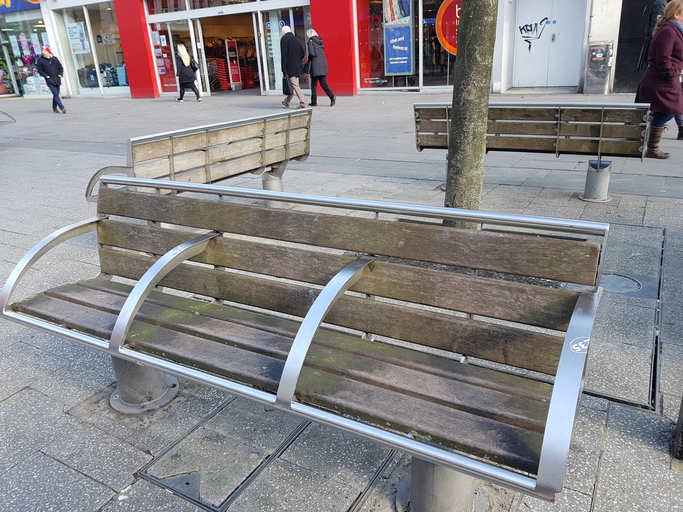
I would also love to have some miscellaneous decorations littered about the city. I would like to make a bench design which is specifically inspired by anti-homeless design, not unlike something one may unfortunately see in the real world nowadays.
Locations
When it comes down to in-game locations, there will be a few major structures.
Central Erneas Tower
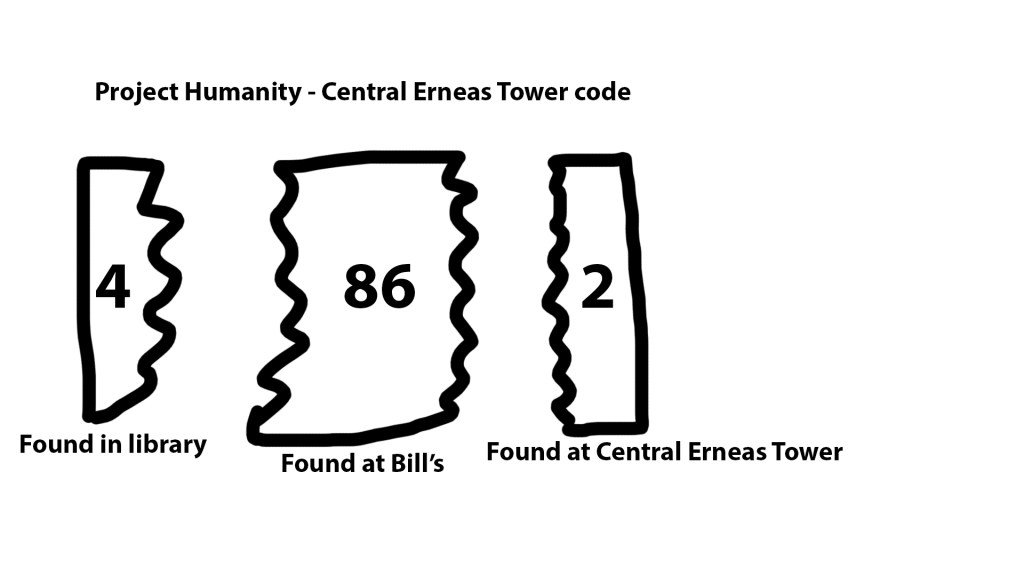
Central Erneas Tower functions as the games final area. Once the player has collected all the digits to the front door code, they will be able to enter. Upon which, they will be greeted by a surreal/liminal space-inspired area.
In lore, Central Erneas Tower functions as the former residence and workplace of mayor Vurgin. It is not entirely unlike a structure such as The White House, in the sense that it functions as a major political hub in-universe.
Library
The library serves as the point in which the player finds the first digit to the code of Central Erneas Tower. It has been abandoned for some years.
Inside, the player will find the diary of Robert, Vice Mayor of Erneas. The diary itself outlines a few events, such as the end of the war and the mass deportation of Erneas’ citizens.
Vice Mayor Robert left the first digit in his diary to spite Mayor Vurgin, as he disapproved strongly of his actions.
Bill’s
Bill’s is a convenience store. Its appearance is based on a rustic U.S. gas station.
The owner, Bill, was one of the few residents of Erneas who approved of Mayor Vurgins policies. Unfortunately for him, it backfired, as he was deported from the city soon after. Although, he put up a good fight.
Nowadays, the shop lies in ruins.
Mechanics
As mentioned in the front page, this project revolves around environment art. However, I am still including some very light mechanics. All this will consist of is a small puzzle in which the player needs to piece together the code for Central Erneas Tower. The code digits will be littered about the map.
Gantt chart – updated
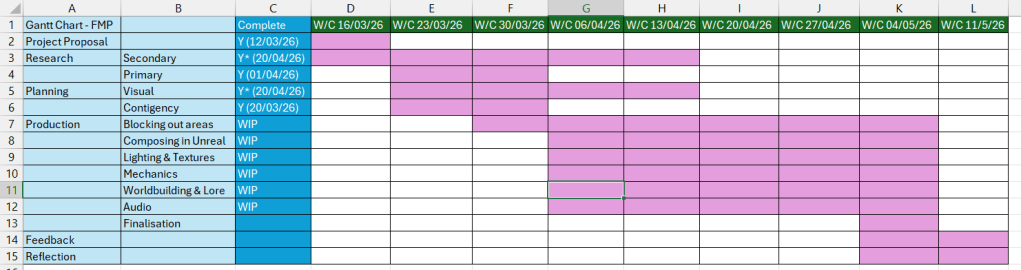
As of 1/05/26, this is the most up to date version of my Gantt chart. I still have a fair amount left to do in my production.
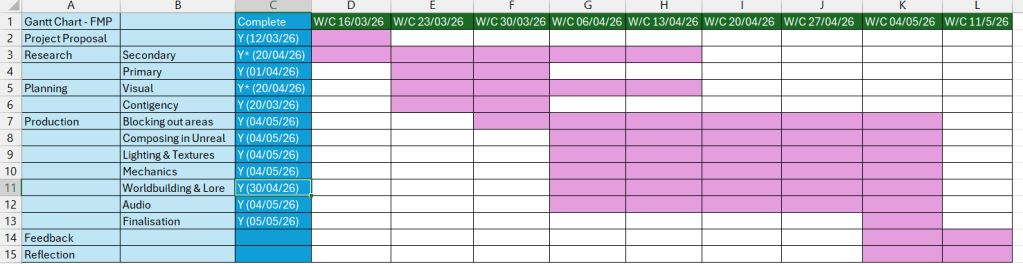
My finished Gantt chart.
 Dylan Brant